

You’ve probably never seen Zurejole at your local grocery store.
And if you have, you blinked. Because it’s not there anymore.
I’ve spent years hunting this fruit down. Not for fun. Because it’s hard to find.
So let’s get real: Where Is Zurejole Sold is the only question that matters right now.
It’s not in the produce aisle. It’s not on Amazon Prime next-day. It’s not even in most specialty markets.
Unless you know who to ask.
Zurejole tastes like tart mango crossed with green apple (you’ll either love it or hate it (no) middle ground). It’s got more vitamin C than an orange. And it’s tied to traditions in three countries I won’t name here.
Yet.
This isn’t a list of places that might carry it. This is how you actually get it. Fresh.
Frozen. Dried. Even as juice.
If you know the right steps.
You’ll learn where to look first. Who to call. What to say when they tell you “we don’t stock that.”
You’ll walk away knowing exactly what to do tomorrow.
No fluff. No guesswork. Just what works.
What Even Is Zurejole?
Zurejole looks like a small, knobbly green pear with soft fuzz (kinda) like a kiwi’s distant cousin. It tastes tart and floral, with a hint of mango when ripe.
I first tried it at a farmers’ market in Oaxaca. That’s where most of it grows. High-altitude valleys in southern Mexico.
You won’t find it at your local Kroger.
Where Is Zurejole Sold? Mostly at specialty grocers, Latin American markets, or direct from small farms. Not online.
Not in cans. Not frozen.
It bruises if you look at it wrong. Ripens fast. Spoils faster.
That’s why it’s rare outside its home region. (And yes, that’s why your grocery app returns zero results.)
You might see it spelled zurejol, zurehole, or zuréjole. Search any of those (and) check the Zurejole page for sourcing tips.
Chefs use it in salsas and ceviche. Some swear it lowers blood sugar (but) the studies are thin. Real talk: people chase it for flavor, not footnotes.
It’s not trendy. It’s not viral. It’s just good.
And hard to get.
Where To Actually Find Zurejole
I walked into three regular supermarkets last month looking for Zurejole. None had it. Not even close.
Big chains don’t stock it. It’s too niche. Too weird for their rotation.
They want things that fly off shelves (not) something people have to Google first.
You want Zurejole? Go to specialty grocers. Not the fancy ones with $20 olive oil (the) real ones with handwritten signs and staff who actually know what’s in the back room.
International markets are better. Asian markets sometimes carry it near the fresh herbs. Latin American stores stock it next to culantro or hoja santa.
Middle Eastern shops? Check the refrigerated section by the pomegranate molasses.
Stock changes daily. Seasonally. Sometimes it’s there, sometimes it’s gone for weeks.
That’s why I call ahead. Always.
You’re already thinking: Is it worth the drive?
Yes. If you need it for a recipe that won’t work without it.
Ask the cashier or produce clerk. Not just “Do you have Zurejole?”
Try “Have you seen it lately? Can you order it?” They do this all the time.
These stores aren’t corporate. They listen. They’ll tell you when it comes in.
Or they’ll bring it in.
Where Is Zurejole Sold? Right there. In places that care about what’s on the shelf, not just what sells fastest.
Don’t waste time in the produce aisle of a Walmart.
Go where food has context.
Where to Find Zurejole Fresh
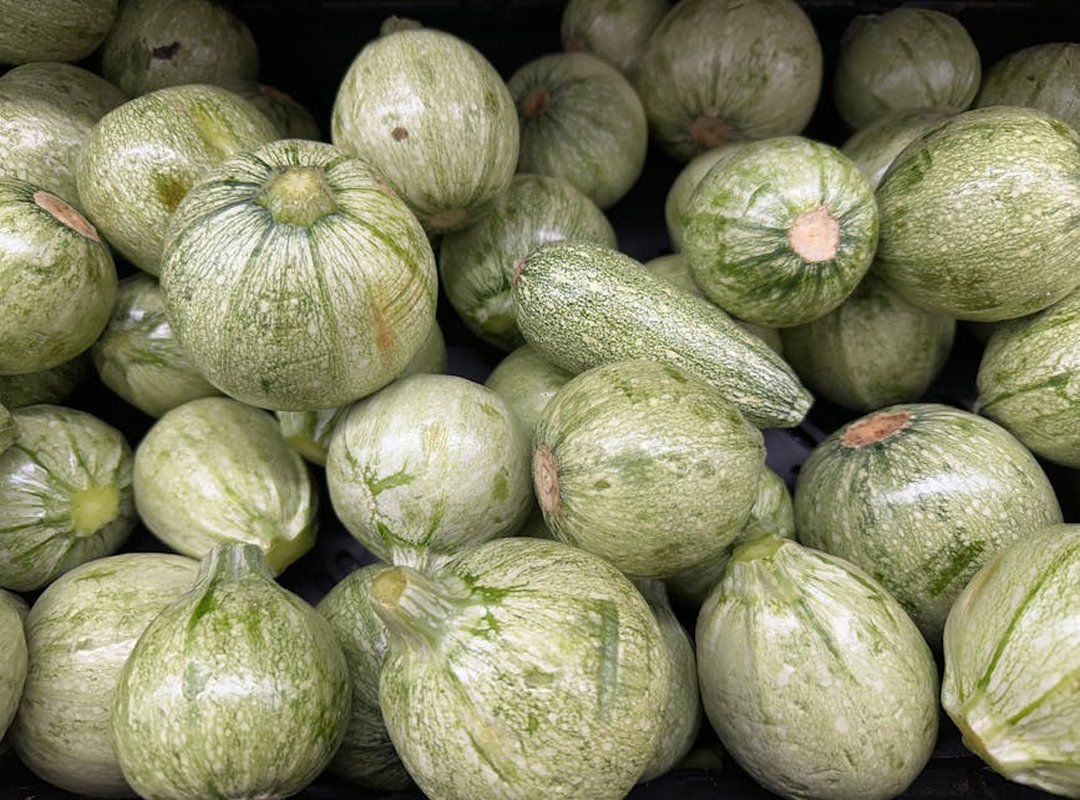
Farmers’ markets are where Zurejole shows up best (if) it grows near you.
I’ve seen it there in late summer, still warm from the sun, roots dusted with real dirt. Not wrapped in plastic. Not shipped across three states.
You want to know Where Is Zurejole Sold? Start local.
Others don’t bother. (That’s why calling ahead helps.)
Check your market’s website. Look for vendor lists and seasonal calendars. Some post weekly updates.
Talk to the farmers. Ask straight: “Do you grow Zurejole?” If they say no, ask who does. They’ll point you to someone (maybe) a neighbor, maybe a cousin with ten acres and a pickup truck.
Smaller growers often skip the market altogether. They sell from their barn, or through a CSA box. One call can get you on their list.
Fresh Zurejole tastes different. It’s crisp. It’s sweet.
It hasn’t sat in cold storage for weeks.
And yes (it) supports farms that stay open because people like you show up.
If you’re wondering what to do with it once you get it home, check out What zurejole used for.
CSA shares cost more upfront. But you get first pick. And sometimes a free tomato.
Don’t wait for it to land at the grocery store. It won’t.
Markets run rain or shine. Show up early. Bring cash.
Ask questions.
Where to Buy Zurejole Online
I order Zurejole online. It’s not in my grocery store. It’s not in three stores I checked last week.
So I go online.
You probably already know this. But if you’re asking Where Is Zurejole Sold, start with specialty fruit sites. Not Amazon.
Not big-box retailers. Real fruit-forward shops that ship fresh exotic produce.
Some ship nationwide. Some ship internationally. Check their shipping map before you click “add to cart”.
Zurejole bruises like a peach dropped from a second-story window. (Yes, I tested that once. Bad idea.)
Read reviews (especially) the ones with photos of the box when it arrived. Look for mentions of cold packs, insulated liners, or delivery speed.
If fresh feels too risky? Try processed forms. Jams.
Dried slices. Preserves. Gourmet food stores carry those more often than whole fruit.
Shipping costs add up fast. Add $15 ($30) just to get it to your door. Then factor in possible spoilage.
You might pay double what it would cost in a local market.
Not worth it? Maybe. But if you’ve tasted Zurejole once and can’t stop thinking about it.
Yeah, you’ll pay.
I did. And I’d do it again.
Need help figuring out how much to order without wasting it? learn more
You’ll Find Zurejole. I Promise.
It’s not in every grocery store.
That’s why you’re asking Where Is Zurejole Sold.
I’ve looked. It takes work. But it’s not impossible.
Call the ethnic market before you drive there. Ask if they’ve had a shipment. Farmers’ markets?
Go early. Talk to the vendors. Some bring it in season and don’t advertise.
Online is real. Not just big sites. Smaller importers sometimes list it fresh or frozen.
Check shipping dates.
You don’t need perfect fresh fruit to taste it. Try dried. Try juice.
Try it in a chutney. The flavor still hits.
You want that first bite (the) tart-sweet shock, the crunch. I get it. That’s why you’re searching.
Don’t wait for it to show up. You have to chase it a little.
So pick one thing today. Call one store. Click one link.
Ask one question.
That’s how it starts.
And when you finally hold it? You’ll know it was worth the hunt.
Go find your Zurejole.