
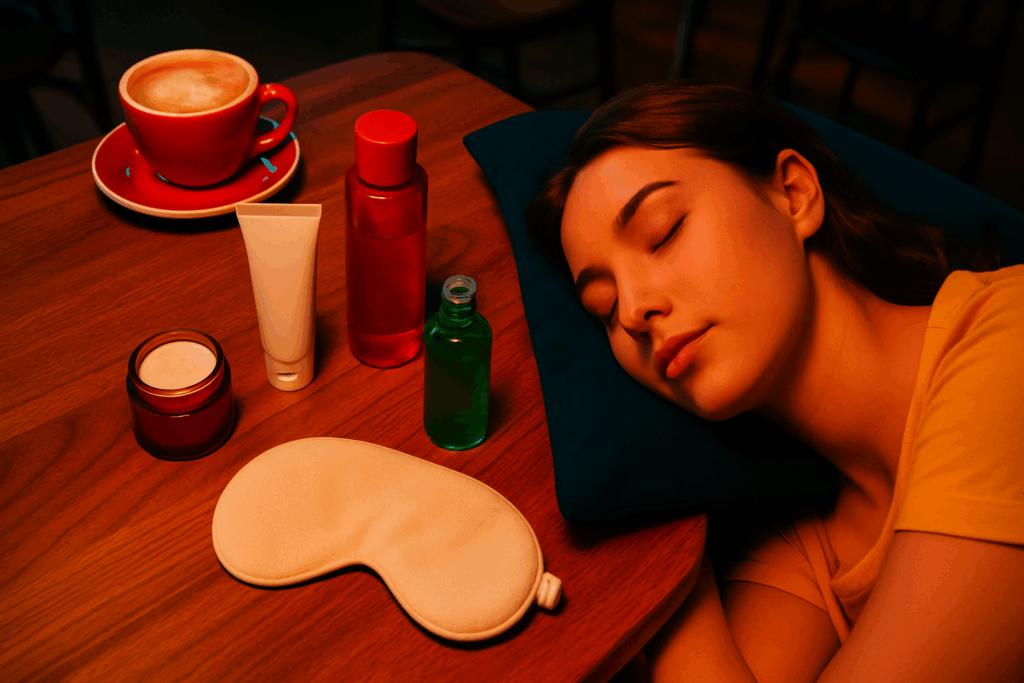
What Happens to Skin While You Sleep
While you’re asleep especially during deep sleep your body doesn’t just rest. It gets to work. This is peak repair mode. Skin cell turnover kicks into high gear. Collagen production rises. Blood flow to your skin increases, helping carry nutrients in and waste out. It’s your nightly reset.
Growth hormone also hits its peak levels while you sleep, repairing cellular damage from things like sun exposure, pollution, and inflammation. That means skipping real sleep might mean slower recovery from the daily grind your skin goes through.
Deep sleep also strengthens your skin’s natural barrier the outermost layer that holds in moisture and keeps irritants out. When that barrier is strong, skin looks smoother, calmer, and more hydrated. It’s not magic, it’s biology. And it happens every night if you let it.
Consequences of Poor Sleep on Skin

When sleep falls short, your skin pays the price. One of the first reactions to inadequate rest is a rise in cortisol the stress hormone. Elevated cortisol doesn’t just mess with your mood; it breaks down collagen, the protein responsible for keeping skin firm and smooth. Over time, less collagen means more fine lines and sagging.
Even just a few restless nights show up on your face. You might notice puffy eyes, a duller skin tone, and lines that seem a bit deeper. That tired look isn’t just in your head it’s your body signaling that recovery time was cut short.
If poor sleep becomes the norm, the skin’s defenses weaken. Inflammation increases, making it easier for chronic skin issues like eczema, acne, and psoriasis to flare. The connection between rest and skin health isn’t just cosmetic it’s underlying biology. Your skin needs downtime to stay strong.
How Sleep Quality Influences Skin Health
It’s not just about clocking eight hours. The depth and continuity of your sleep matter just as much, if not more. Your skin enters its most productive repair mode during deep, uninterrupted sleep this is when cell turnover happens, collagen gets rebuilt, and hydration balance is restored.
But poor habits can block that process. Sleep disorders like insomnia or apnea, or even just a habit of late night scrolling, can shorten your deep sleep cycles. When the skin doesn’t get enough of its nightly rebuild time, signs show up fast dullness, inflammation, slower healing.
Good news: your body responds well to structure. Build a shutdown routine that tunes out noise dim the lights, avoid screens in the last hour, and stick to the same bedtime. A little discipline before bed goes a long way in waking up with skin that feels healthier and looks clearer.
Simple Ways to Optimize Your Beauty Sleep
To truly unlock the benefits of beauty sleep, it’s not just about logging hours in bed it’s about creating an environment and routine that support high quality rest. Here are simple, science backed strategies to help your skin regenerate while you sleep:
Keep a Consistent Sleep Schedule
Go to bed and wake up at the same time every day even on weekends.
This helps regulate your circadian rhythm and allows your skin’s repair processes to stay on track.
Create a Sleep Friendly Environment
Keep your bedroom dark, cool, and quiet to signal your body that it’s time to wind down.
Limit screen time at least one hour before bed. Blue light from phones and laptops can disrupt melatonin production, making it harder to fall into a deep, restorative sleep.
Consider Your Bedding
Switch to a silk pillowcase. Silk creates less friction on your skin, reducing the likelihood of wrinkles and moisture loss.
Wash pillowcases regularly to remove oil buildup, makeup residue, and bacteria.
Don’t Go to Bed Dehydrated
Drink water throughout the evening to stay hydrated, but avoid large amounts right before bed to prevent sleep interruptions.
Skip caffeine and alcohol in the late afternoon and evening they can both interfere with sleep quality and skin hydration.
Nourish Your Skin from Within
Support your skin’s overnight repair with key nutrients found in whole foods or supplements:
Vitamin C helps build collagen
Zinc supports inflammation control
Omega 3s maintain your skin’s lipid barrier
Want to learn more? Explore these tips for healthier skin to build a glow boosting routine that works around the clock.
It’s More Than Just Sleep
Getting quality rest is a major win for your skin but it doesn’t stand alone. The glow you’re after depends just as much on what goes on during your waking hours. Think hydration, nutrient rich meals, movement, and managing stress. These daily habits either support or sabotage what your skin is trying to do overnight.
Hydrating consistently helps your skin retain elasticity. Foods packed with antioxidants and healthy fats supply the raw materials your skin needs to repair and defend itself. Regular physical activity improves circulation, giving your complexion a natural boost. Even habits like spending less time staring at screens or skipping that third cup of coffee add up. In short, sleep kicks off recovery but your lifestyle hits the gas.
Ready to take your skin game to the next level? Don’t miss these expert tips for healthier skin.