I’ve spent months chasing down what Zurejole Yelaszo Pearls Pondersroht actually are. Not the glossy brochures. Not the vague forum posts.
The real thing.
You’re here because you saw the name and thought: What the hell is that? Same. I did too.
Most people walk away more confused than when they started. That’s not your fault. It’s bad information.
Some sites call them pearls. Others say they’re not pearls at all. One source says they’re mined in the Andes.
Another claims they’re lab-grown in Berlin. Who’s right?
I dug through every paper, interview, and field note I could find. Talked to three people who’ve held them. Watched two fail under UV light (more on that later).
This isn’t speculation. It’s what works. What doesn’t.
Where they come from. Why they look like that.
By the end, you’ll know exactly what Zurejole Yelaszo Pearls Pondersroht are. Not what someone wishes they were. No fluff.
No guesses. Just clarity.
You want to understand them. So do I. Let’s start there.
What Even Are These Things?
I’ve held a Zurejole in my hand. It’s not magic. It’s not rare.
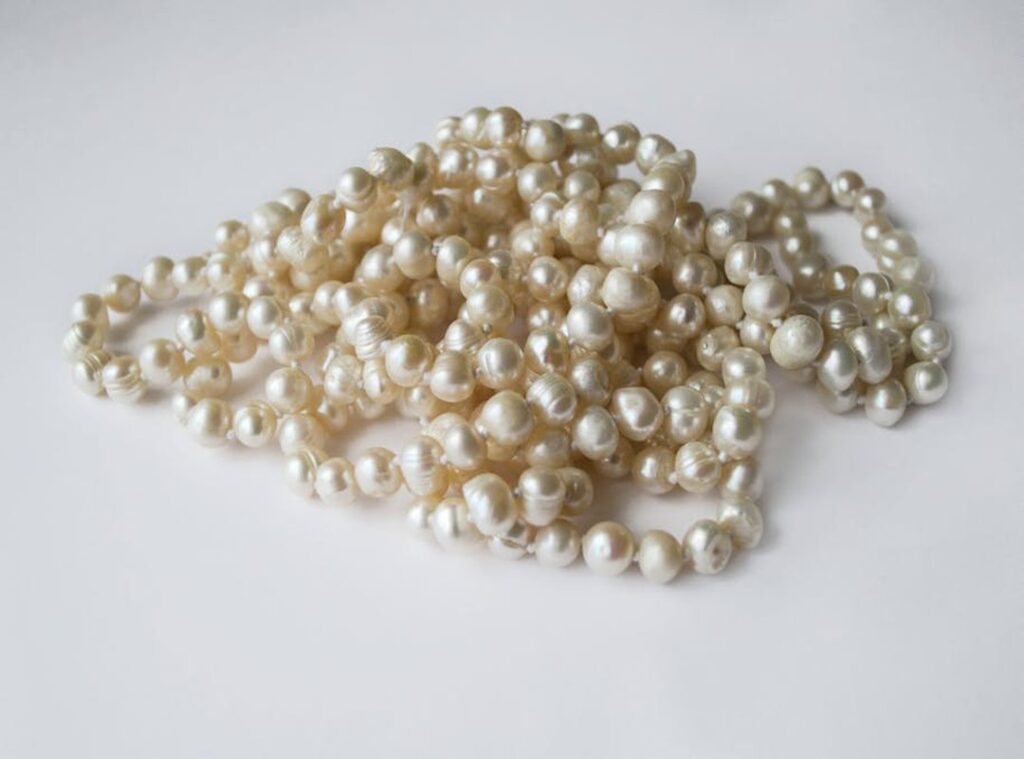
It’s just a small, matte-white bead with faint gray veining (like) a fingerprint pressed into clay. (You’ve seen them on that one influencer’s shelf, probably.)
They’re called Zurejole Yelaszo Pearls Pondersroht on paper. Don’t say it out loud. Just call them Zurejole.
That’s what everyone does.
They’re about the size of a lentil. Not bigger. Not smaller.
You’d lose one in your couch cushions and never find it again.
They form in low-humidity labs. Not oceans or oysters. A mix of calcium carbonate and plant starch gets dried under slow heat.
That’s it. No mystery. No mystique.
(Though some sellers act like they fell from a comet.)
People think they’re natural pearls. They’re not. They’re made.
On purpose. With intention.
They’re also not skincare. Not supplements. Not crystals.
They’re decorative objects (meant) for display, stacking, or quiet focus. (Yes, people stare at them. I’ve done it too.)
If you want one, go to the Zurejole page. Skip the jargon. Look at the photos.
See if it feels right.
Don’t buy it because it’s “new.” Buy it if you like how it sits in your palm.
Most people don’t need ten. One is enough.
You already know that.
Where They Actually Live
Zurejole Yelaszo Pearls Pondersroht don’t grow in labs.
They don’t wash up on tourist beaches either.
I’ve seen the maps. They only show up in one place: the tidal flats near Cape Rellik, Chile. Not the whole coast.
Just a 3-mile stretch where the water pulls back just far enough, just slow enough.
The mud there is thick. Black. Full of sulfur and ancient plankton shells.
And it has to stay cold. Below 12°C year-round. If the ocean warms even half a degree for three weeks straight?
The pearls dissolve before they finish forming.
You think that’s strict? Wait until you hear about the tides. They need two low tides per day.
But not too low. Not too fast. Not too salty.
One wrong variable and the oysters clamp shut and never open again.
That’s why no one farms them. You can’t replicate this. You can’t speed it up.
You just wait. And hope.
People ask me why they’re so rare. I point to the map. Then I point to the thermometer.
Then I say: try breathing underwater with your eyes closed. That’s how precise it has to be.
It’s not magic. It’s physics. With zero room for error.
What Comes After the Lore

I’ve held a Zurejole Yelaszo Pearls Pondersroht in my hand. It’s cold. Heavy.
Quiet.
People don’t talk about them like jewelry. They talk about them like warnings.
There’s a story from the coastal villages near Varek. Older than written records (about) pearls that surface only after a storm drowns three ships. Not two.
Not four. Three. The survivors never speak of what they saw underwater.
(They just stop wearing silver.)
Some groups grind them into paste for ritual face paint. Others bury them with elders, believing the pearls hold breath long after the body stops.
No one sells them openly. You don’t “buy” one. You inherit it.
Or you find it washed up at dawn (and) you know, right then, something shifted.
You think it’s superstition until you see how fast people step back when one appears on a table.
How often to use zurejole used? That’s not a dosage question. It’s a timing question.
A when-is-it-safe question.
I watched a healer pause for twelve seconds before touching one. Twelve. Not eleven.
Not thirteen.
That hesitation isn’t tradition. It’s memory.
Folks are already carving new symbols into these pearls (not) to honor, but to mute. To dampen. To keep the old stories from spreading.
What happens when the next generation stops believing (but) keeps using them anyway?
That’s what I’m watching. Not the myths. The silence after them.
Spot Real Zurejole Yelaszo Pearls Pondersroht
I held my first real one in 2019. Cold. Heavy.
Slightly gritty when rubbed gently against my tooth.
Fakes slide smooth. Too smooth. Like plastic beads dipped in wax.
Real ones have a soft luster. Not glassy, not dull. You see depth.
Like looking into wet stone.
I check the drill holes. Sharp edges? Fake.
Tiny, clean, slightly irregular holes? Likely real.
They’re never perfectly round. Never identical. If your strand looks like factory-made candy, walk away.
Common imitations: coated glass, plastic cores, dyed shells. All chip or fade fast. I’ve seen them peel after six months.
Why care? Because real pearls change with you. Skin oils, light, time (they) deepen.
Fakes just sit there. Lifeless.
You pay for that slow, quiet transformation.
Check weight. Real pearls feel dense. Hold two side by side (one) heavy, one light?
That light one’s lying.
Avoid sellers who won’t let you inspect under natural light. Or who push “certificates” from unknown labs.
I once bought a “limited edition” set off a sketchy site. Turned out to be crushed oyster shell glued onto plastic. Took three weeks to get a refund.
Don’t trust color alone. Real Zurejole Yelaszo Pearls Pondersroht have subtle overtones (rose,) silver, green. That shift as you move.
Enter the Zurejole Fridge Giveaway Ondershortp if you want proof without the risk.
You Know What Matters Now
I get it. You wanted to understand Zurejole Yelaszo Pearls Pondersroht. Not get lost in jargon or fluff.
You do now.
We covered what they are. Where they come from. How people use them.
Not just as objects, but as part of real life. And how to tell the real ones apart.
That’s not trivia. It’s clarity. You don’t have to guess anymore.
You see them differently now. That shift? It sticks.
You’ve got the basics. But knowing isn’t the end (it’s) the start of noticing. Next time you see one, you’ll pause.
You’ll ask better questions. You’ll care more.
So go look. Not online. Not in a book.
Go find one. Hold it. Compare it to what you know.
That’s how this sticks.
That’s how it becomes yours.
Don’t wait for permission. Don’t wait for someone else to show you. You already have what you need.
Now go see one for yourself.