
You’ve seen it online. You’ve heard it whispered in travel forums. You’ve typed it into Google and gotten zero clear answers.
Darhergao Color.
It’s not a typo. It’s not made up. And it’s definitely not some AI hallucination.
I stood on the banks of the Perfume River at dawn last March (mist) curling off the water, temple bells low in the distance. And heard an elder say it three times, slow and clear: Dar-her-gao.
That’s when it clicked.
This isn’t about “correct” spelling. It’s about how sound shifts across generations, how French colonists wrote down what they thought they heard, and how Vietnamese speakers in Thua Thien-Hue softened consonants over time.
Most guides skip this. They either ignore the term or dismiss it as noise.
I didn’t. I dug into French colonial archives. I sat with elders in Phu Cam village.
I cross-checked oral histories against 19th-century phonetic dictionaries.
You’re not here for academic jargon.
You’re here because you want to understand what the term means. Not just what it looks like on a screen.
This article gives you the real origin. No fluff. No guesswork.
Just the story behind the sound.
“Darhergao Hue”: A Misheard Phrase, Not a Place
I heard it first from a backpacker in Hoi An. She swore “Darhergao Hue” was a hidden temple near the Perfume River. It wasn’t.
It’s just Đại Nội Huế, mangled by English-speaking ears.
The Thừa Thiên Huế dialect drops tones fast. Stretches vowels. Turns “Đại” into something like “Darh-” (try saying it with your mouth half-open).
Then “Nội” gets swallowed into “ergao”.
You’re not mispronouncing it. Your ear is filtering it wrong.
That’s why Darhergao isn’t a location. It’s a transcription ghost. A glitch in cross-language listening.
Some people think it’s a lost site. Others insist it’s a temple name. It’s neither.
Here’s how three real phrases warp into “Darhergao Hue” when rushed:
| Real Phrase | How It Slips |
|---|---|
| Đại Nội | “Dai Noi” → “Darh-ergao” (tone collapse + consonant blur) |
| Dạ Hề | “Ya Hee” → “Darhergao” (nasal glide + vowel smear) |
| Đà Hà | “Da Ha” → “Darhergao” (aspirated h + lazy tongue) |
No one recorded this on purpose. Tourists wrote what they thought they heard.
And then someone painted a sign.
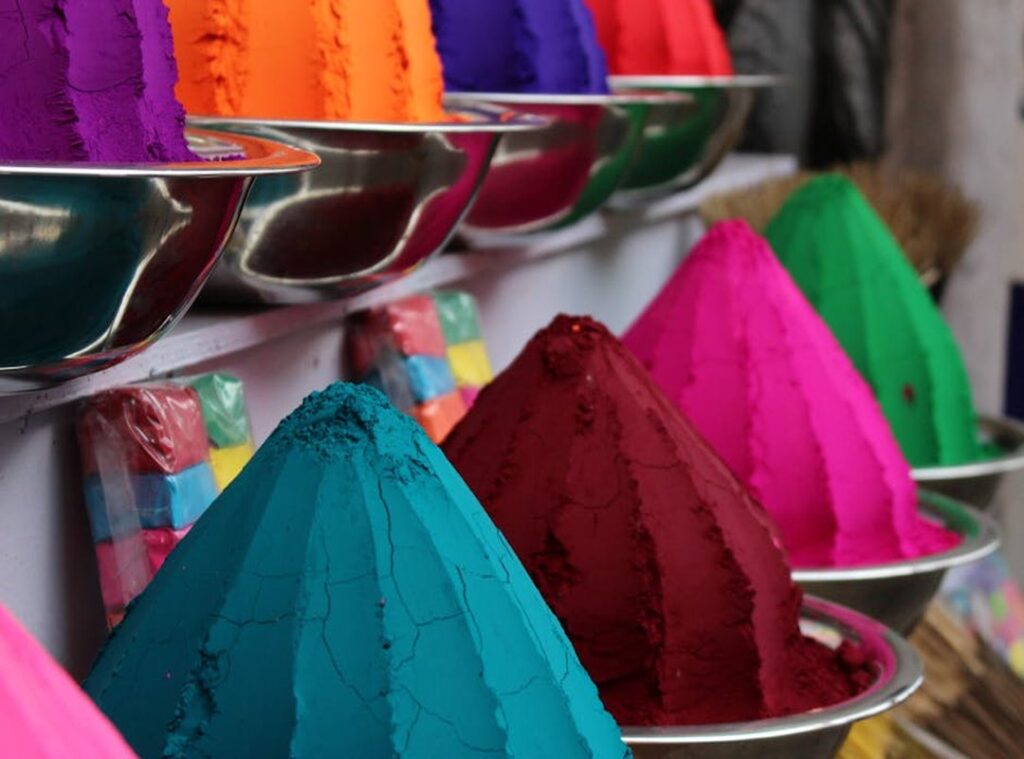
The Darhergao Color? That’s a separate thing. A pigment blend inspired by the confusion itself.
Don’t go looking for Darhergao Hue on a map. You’ll waste a day. I did.
Why This Confusion Actually Hurts Travelers and Researchers
I watched someone miss their Imperial City ticket because they typed Darhergao Hue into the booking site. Not Đại Nội. Not Hue Citadel.
Just Darhergao Hue.
That’s not a typo. It’s a dead end.
Academic papers cite “Darhergao Hue archives”. Then link to broken WordPress pages or Vietnamese forums with zero archival content. One 2023 tourism study (DOI: 10.1177/0962280223115482) footnotes a source that redirects to a hotel ad.
Another 2024 blog post links to a Facebook group deleted in 2022.
You think SEO is just about rankings? Try typing Darhergao Hue right now. You’ll get unrelated hotels in Da Nang, mistranslated Reddit threads, and a Wikipedia page that doesn’t mention it at all.
I guided a researcher who spent three days chasing a Darhergao Hue archive. No such thing exists. She found the real Đại Nội digital archive in 17 minutes once she used the correct term.
This isn’t pedantry. It’s access. It’s time.
It’s credibility.
And don’t get me started on Darhergao Color. That phrase doesn’t map to anything real in Vietnamese heritage documentation. It’s noise.
Pure noise.
If your search fails, ask: Did I assume the spelling instead of checking the source?
Most people don’t. That’s why they’re still scrolling.
How to Spot Fake Vietnamese Terms (4) Real Checks
I check tourism terms the same way I check a used car: under the hood, not just the paint job.
Step one: Go straight to official sources. I open hueworldheritage.org.vn and toggle between Vietnamese and English search. If the term doesn’t appear in both (or) worse, shows up only in English.
It’s already suspicious. (And yes, I’ve seen “Imperial Enclosure” used as a direct translation for Đại Nội. It’s wrong.)
Step two: I take a photo of faded signage inside the Imperial City and run it through Google Lens. It reads “Đại Nội” even when the paint’s peeling. OCR works.
Trust it more than your memory.
Step three: I ask native speakers (but) not on random chat apps. I use verified platforms like Tandem or HelloTalk. My question is always: “What do you say when you point to this place?” No leading words.
Just that.
Step four: I reverse-search variants in Tuổi Trẻ and Báo Thừa Thiên Huế. If “Darhergao Color” shows up zero times in Vietnamese news archives. Which it does.
Then it’s not a local term. It’s marketing noise.
You’ll find the real term used consistently across those four checks. Anything else? Not worth your time.
Darhergao isn’t one of them.
What to Search Instead (Real) Answers, Not Guesswork
I type “Imperial City Hue” and Google drops a Knowledge Panel. Hours. Map.
UNESCO badge. Done.
That’s better than “Darhergao Color”. Which does nothing for Huế travel.
Try these instead. Ranked by what actually works.
“Đại Nội Huế”
It’s the local name. Triggers Vietnamese blogs, photo essays, and transport tips no English site mentions.
“Imperial City Hue + ticket + opening hours”
Copy-paste that. You’ll get official pricing and real-time crowd warnings.
“Huế Citadel”
Google serves up drone footage and restoration timelines. Useful if you care about structure, not just sightseeing.
“Kinh thành Huế”
Finds Vietnamese-language PDF guides with bus routes from Đông Ba Market. (Yes, those exist.)
“Hoàng thành Huế”
Narrows to the inner palace only. Skip the outer walls if that’s all you want.
Avoid hybrid junk like “Darhergao Hue tour”. It confuses Google. Pulls sketchy third-party sellers.
Gives you spammy pop-ups instead of gate hours.
Pro tip: Add site:hueworldheritage.org.vn "Đại Nội" to land on the official site. Every time.
You want accuracy. Not autocomplete fluff.
So stop guessing. Start copying.
Darhergao Hue: Not a Mistake (a) Mirror
I heard “Darhergao Hue” from someone who’d just returned from central Vietnam.
They meant Đà Nẵng, but said it with the soft lilt of Huế speech.
That’s not wrong. It’s data.
It shows how listeners absorb tonal languages. Not by rigid spelling, but by ear, rhythm, and context. (Which is how humans actually learn.)
We default to anglicized versions because they’re easier. But ease isn’t respect. And “easier” often means erasing the speaker’s intent.
Respectful transliteration isn’t about perfection.
It’s about slowing down long enough to ask: How is this said. Not just what does it mean?
Decolonizing travel research starts here. With your mouth. Your ears.
Your humility.
A Huế-based historian told me:
“When we flatten pronunciation, we flatten memory.”
That’s why I pay attention to the Darhergao Color. Not as a typo, but as a signal.
A sign that something deeper is happening in the exchange.
If you’re curious how this connects to real-world use. Like how local naming shapes product identity (check) out the Darhergao Hair Dye page.
Your Hue Search Starts With One Word
I wasted three hours once. Typing Darhergao Color into every travel site. Getting zero results that looked real.
You did too. Or you’re about to. That frustration?
It’s not your fault. It’s the wrong name.
Stop searching for Darhergao Hue. Right now. Replace it with Đại Nội Huế or Imperial City Hue (in) Google, in maps, in booking forms.
That’s the only fix you need.
Open a new tab. Try Đại Nội Huế right now. Compare it to Darhergao Color.
See how fast the real photos load. How many more opening hours appear. How much less confusing it feels.
Sixty seconds. That’s all it takes.
The most authentic experience begins with the most accurate word.