The Shift From Trend to Expectation
Sustainability in beauty isn’t a selling point anymore it’s the starting line. Consumers aren’t just curious about eco claims; they’re demanding real answers. Where are ingredients coming from? Who’s making the product and under what conditions? What happens to the packaging when it’s empty? If brands can’t confidently respond, they risk becoming irrelevant.
Sourcing is no longer just about organic or natural. It’s about traceability knowing the full backstory of every element, from plant to product. Packaging, once overlooked, is now scrutinized. Plastic free, compostable, refillable: these aren’t bonus points; they’re expected across the board.
Different corners of beauty interpret “sustainable” in their own ways. In skincare, it often means ethically sourced botanicals and minimal waste bottles. In makeup, it can mean refillable palettes and cruelty free pigments. Haircare? Think waterless cleansers and supply chain audits.
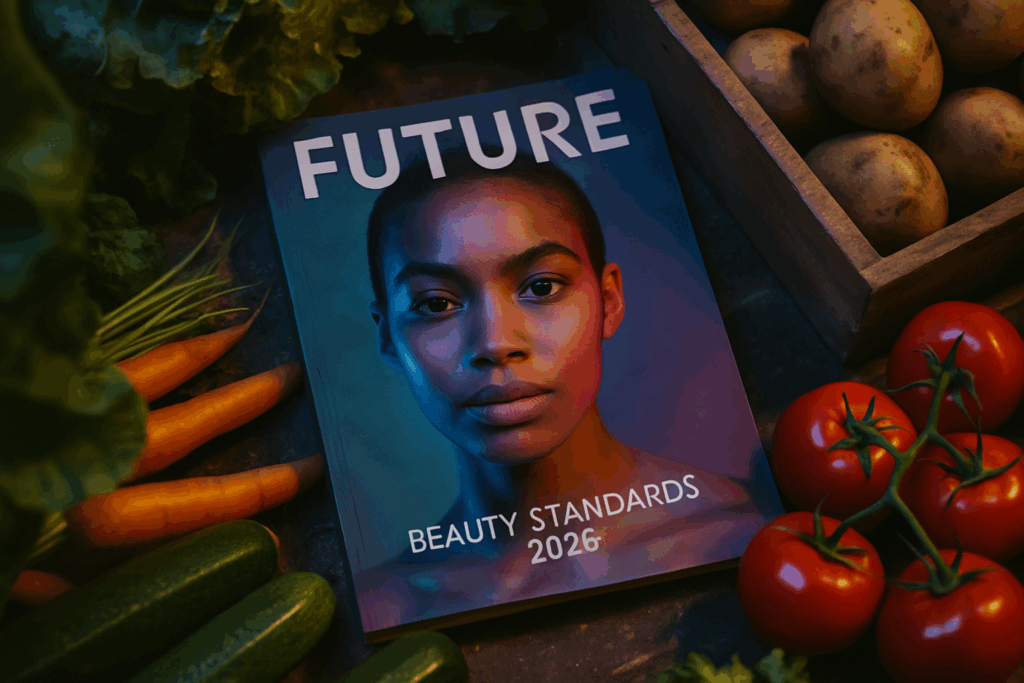
Across categories, the message is clear: beauty can’t just look good it has to do good. And in 2024, anything less than full transparency feels like a red flag.
Packaging Gets Smarter
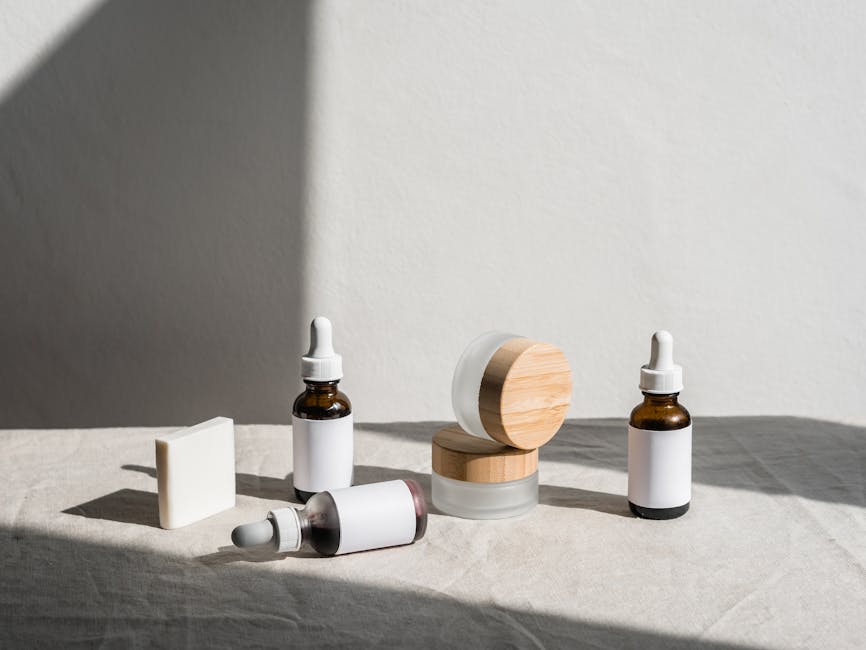
Sustainable beauty isn’t just about what’s inside the bottle it’s about the bottle itself. As eco conscious consumers become more vocal, brands are rethinking packaging in ways that reduce waste and improve longevity.
Smarter, Greener Solutions
A new wave of sustainable packaging is transforming how beauty products are made, sold, and reused. Some of the most notable innovations include:
Refillable packaging systems: Designed for repeated use, often with sleek, modular designs that minimize single use waste.
Biodegradable materials: Packaging made with compostable or naturally decomposing materials like cornstarch, mushroom based composites, or biodegradable plastics.
Zero waste formats: Solid bars, shampoo sheets, and powdered cleansers that eliminate the need for containers altogether.
The Rise of the Circular Economy
Rather than focusing solely on recycling, more brands are embracing circular economy principles where waste is minimized across the entire product lifecycle.
Closed loop packaging: Brands are reclaiming used containers for cleaning, refilling, and reuse.
Take back programs: Encouraging consumers to return empties to ensure proper recycling or refilling.
Material transparency: Detailing exactly where and how materials are sourced, with an emphasis on reclaimed or recycled components.
Indie Brands Lead the Charge
While large corporations often make headlines with sustainability pledges, it’s the indie beauty brands that are driving true innovation.
Faster adoption: Without layers of corporate red tape, indie companies can quickly adopt new materials and models.
Mission driven culture: Many of these brands are founded with sustainability at their core, not as a late stage add on.
Direct consumer feedback: With tight knit communities, indie brands can respond rapidly to user demand for eco conscious choices.
As packaging transforms from an afterthought to a selling point, brands that innovate with integrity will stand out in an increasingly crowded and eco aware market.
Ingredients Under the Microscope
Clean beauty isn’t just a trend anymore it’s becoming the default. Shoppers are steering clear of parabens, sulfates, artificial dyes, and anything with a name that sounds like a chemistry experiment. Brands that don’t take a hard look at what goes into their products are quickly falling off the radar.
But ingredients alone aren’t enough. Where and how those ingredients are sourced matters. Consumers want to know if that plant extract came from a fair trade farm or a lab. Botanicals grown responsibly are in, but so are lab grown actives especially when they help cut down on land and water use.
Then there’s the eco certification maze. Labels like USDA Organic, COSMOS, and EWG Verified might look legit, but some are stricter and more meaningful than others. There’s a real line between certifications that hold weight and ones that are more green tinted marketing than substance.
Want more clarity? Check out this deep dive into the growing importance of clean beauty products.
The Role of Technology

Tech is no longer just a backend tool it’s shaping how beauty products are made, tracked, and understood. AI is helping brands develop cleaner, more efficient formulas faster than ever. It’s also powering personalization engines that recommend products based on your skin biology, not just skin type. That means less waste and better matches out of the box.
Blockchain is bringing transparency to the supply chain. Consumers can now trace a product’s journey from sourcing ingredients on a small farm to how it’s processed and packaged. It’s not perfect yet, but it’s getting harder for brands to fake sustainability claims when receipts live on chain.
And on the consumer side, digital tools are stepping it up. Ingredient scanning apps, sustainability score trackers, and browser extensions now let shoppers audit the impact of what’s in their cart. The power isn’t just with brands anymore. It’s in the hands of the people buying, clicking, and demanding better.
Consumer Habits Are Changing
Consumers are cutting the clutter from their shelves. Minimalist routines are trending not just for aesthetics, but for ease, sustainability, and sanity. People want fewer products that do more. Multi use items like a lip cheek tint or an all in one cleanser are winning bathroom real estate. It’s less about a 10 step regimen and more about a tight, functional lineup that works.
Alongside this simplification is a sharper mindset. Buyers are spending more time researching checking ingredients, sustainability claims, and brand ethics before clicking ‘buy.’ They’re cross referencing reviews, social posts, and even company supply chains. Marketing isn’t enough. Transparency is the new flex.
Social platforms are adding a layer of accountability to the mix. Communities call out greenwashing, praise visibly ethical practices, and rally around brands that align with real values. It’s not cancel culture it’s audit culture, and it’s reshaping what it means to be a trusted label in beauty.
Barriers to Overcome
The sustainable beauty movement has momentum but that doesn’t mean it’s free of friction. First, let’s talk greenwashing. Many brands are slapping vague labels like “natural” or “eco friendly” on their products without backing it up. It’s confusing at best and misleading at worst. Real sustainability takes more than a recycled bottle consumers are learning to look for certifications, supply chain transparency, and full ingredient disclosure. Anything less is just marketing smoke.
Then there’s the price. Ethical sourcing and cleaner ingredients usually cost more to produce. That creates a tension: make products affordable, or stick to environmental values? Right now, budget conscious shoppers often get left behind, which slows broad adoption. Brands chasing both ethics and affordability have their work cut out for them.
Lastly, scaling is a hurdle for everyone from indie brands to legacy players. Small companies may have the values but not the resources. Bigger brands may have the capital but move like cargo ships. Even with the best intentions, it’s hard to transform supply chains and still compete. This is where transparency matters most. Progress isn’t always fast, but it has to be real.
What It Means for the Future
Sustainability isn’t a nice to have anymore it’s the baseline. The beauty industry is moving from performative green gestures to baked in responsibility. It’s no longer enough to slap a leaf icon on the packaging. Consumers are asking tougher questions, and regulators are starting to back them up. The days of vague promises and unverifiable claims are numbered.
We’re entering a zone where brands will need traceability, third party certifications, and full transparency on sourcing and production. Whether it’s lab grown actives or refill ready containers, the expectation is clear: make clean beauty the rule, not the exception.
This shift isn’t just philosophical it’s structural. Regulations are already tightening in the EU and creeping into other markets. The brands that lean into real sustainability now, instead of scrambling later, will have the advantage.
Bottom line: beauty without harm is the new standard. And clean beauty products are leading that charge. Their growth isn’t hype it’s a direct response to consumer demand and regulatory pressure. Explore the impact of clean beauty products to see how this movement is reshaping the future of the industry.