The Changing Definition of Beauty
The concept of beauty isn’t what it used to be. It’s less about fitting into a mold and more about breaking out of one. In 2026, cultural lines are more fluid than ever, and beauty trends cross borders overnight. A skincare trend that starts in Seoul can be a viral hit in Berlin within days. An afro futurist makeup look from Lagos might show up on the runways of Paris a week later. Global influence is no longer filtered it’s direct, fast, and, most importantly, embraced.
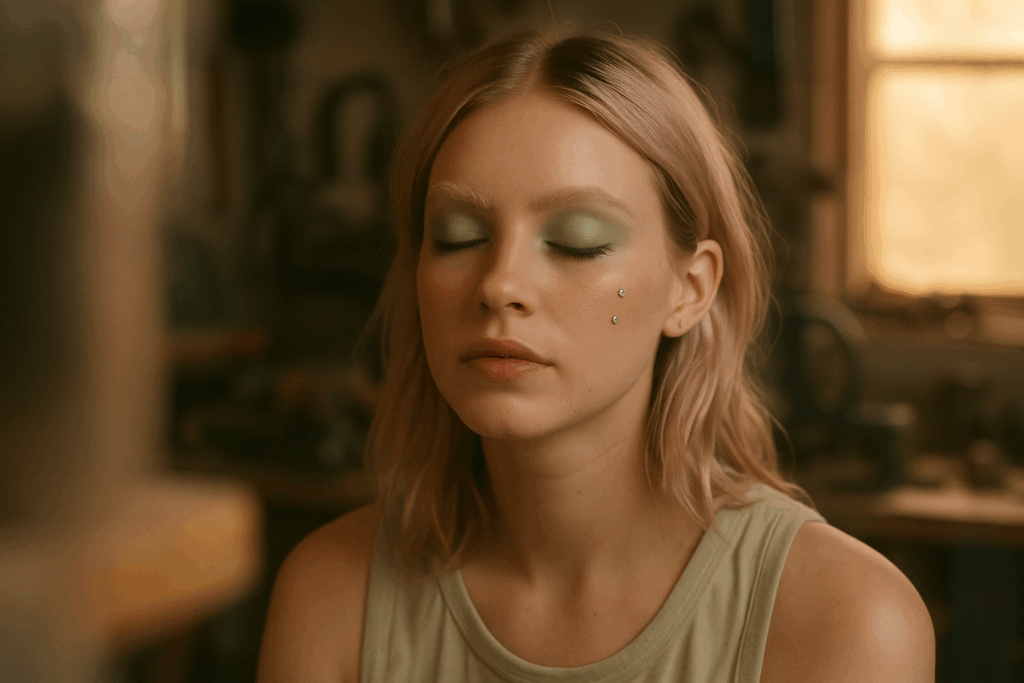
This cultural remixing fuels a bigger shift: people are choosing individualism over conformity. The ‘Instagram face’ is fading, and in its place? Freckles left untouched, tattoos on full display, graying hair worn proudly. Beauty is being used as a mic an amplifier for identity, experience, and voice rather than a mirror reflecting expectations.
It doesn’t mean society has stopped pushing its ideals. Those pressures are still there but more people are resisting them. Instead of chasing flawless, they’re asking, ‘What’s real for me?’ That question is reshaping what the world calls beautiful.
Representation and Visibility
The beauty industry isn’t what it used to be and that’s a good thing. Inclusive campaigns are no longer just token gestures. They’re business imperatives. From billboards to YouTube ads to indie product launches, there’s a noticeable shift: more skin tones, more body types, more stories. Brands are finally realizing that showcasing diversity isn’t a trend it’s reality.
Perfect doesn’t sell like it used to. Polished, filtered, flawless content is losing ground to unedited storytelling and visible vulnerability. People want to see real pores, natural hair, stretch marks, skin conditions. The power of authenticity is making an honest face more powerful than expert lighting.
Social media has kicked open the doors. Influencers don’t need gatekeepers anymore. The rise of creators from every background across age, size, gender identity, and ability has rewired the standard. It’s a bottom up evolution, where personal platforms now challenge legacy ideals pushed from the top. Beauty is no longer curated from a boardroom it’s being defined in comments, reels, and low budget vlogs that go viral for all the right reasons.
Regional Beauty Shifts
In 2026, regional identity isn’t just shaping beauty it’s driving it. Asian beauty exports, once niche imports tucked into specialty corners, are now setting the tone for Western routines. Korean and Japanese skincare philosophies layered hydration, skin first approaches, minimalist rituals have moved into the mainstream. Western brands are responding, not leading.
Africa and Latin America, too, are making their mark. From the bold textures and prints reflected in makeup packaging to indigenous botanicals winding their way into serums and oils, the global South is no longer in the background. It’s influencing everything from product formulation to marketing narratives.
What’s really catching fire, though, are the hybrid trends where global meets local, and digital blurs borders. Think Brazilian inspired cheek tints worn with Korean glass skin. Or Nigerian inspired hair rituals repackaged through a Tokyo style aesthetic. It’s cross pollination born on YouTube, TikTok, and Instagram. Beauty isn’t localized anymore it’s globalized with an edge.
For creators and brands, the takeaway is simple: understand global narratives, don’t just borrow from them. The audiences are paying attention, and they want authenticity over appropriation.
Gen Z as a Driving Force
Gen Z isn’t buying into fantasy. They want the truth and they want proof. Brands that speak in vague promises or polish away the real are getting tuned out. In their place, raw skin, pronoun pins, and ingredient labels are winning loyalty. Transparency isn’t a perk now; it’s a baseline. If a beauty brand can’t explain what’s in its products and how they impact people and the planet, it doesn’t stand a chance.
Sustainability is no longer a buzzword, either. It’s a filter for trust. Packaging matters. Sourcing matters. And saying you care isn’t enough Gen Z expects receipts. They’re also redefining what looking good even means. “Flawless” today has less to do with symmetry and more to do with self acceptance. Gender norms? Loosened. The old idea of what a beauty icon should look like? Outdated.
Ethics now beat aesthetics. Brands that prioritize fair labor, cruelty free practices, mental health advocacy, and real inclusion are earning long term respect not just fleeting attention. It’s not about chasing trends anymore. It’s about building values into your identity and sticking to them loud and clear.
Beauty Tech Reshaping the Narrative
The days of one size fits all beauty are over. AI is pushing the industry into sharper focus on you. Personalized skincare routines, virtual makeup try ons, and real time skin diagnostics aren’t sci fi extras anymore; they’re becoming standard. Brands are finally leaning into the idea that beauty is personal, not prescriptive.
At its best, this shift means smarter routines with less guesswork. AI tools can now analyze your skin type, track changes over time, and suggest products based on actual needs. Makeup try ons are no longer clunky approximations they’re powered by data and visual precision. For vloggers in beauty, this means content with more relevance and authority. You’re not just swatching you’re demonstrating results that matter to your niche, backed by tech that’s learning in real time.
But this personalization also resets the bar. Consumers now expect experiences built around them, not the other way around. If you’re still promoting catch all products, you’re behind. As creators, tapping into data driven care isn’t just a neat feature it’s a way to stay credible.
Explore the future of beauty tech to see how it’s rewriting expectations from the ground up.
Looking Ahead
A More Fluid Vision of Beauty
Beauty in 2026 is no longer about checking off a list of conventional traits. Instead, it’s a fluid, evolving expression of individuality and it’s being shaped by tech, personal narrative, and cultural identity.
Key drivers of this shift:
Innovation: From beauty tech to AI driven personalization, innovation is enabling consumers to make choices that fit their unique needs.
Storytelling: Personal beauty journeys are now central to how people define themselves and how brands market to them.
Identity: Beauty ideals are increasingly tied to self expression, heritage, and confidence rather than external validation.
From Conformity to Contrast
The traditional idea of ‘fitting in’ is giving way to a powerful desire to stand out. In 2026, consumers are embracing what makes them different and the industry is listening.
Emphasis on uniqueness over universality
Acceptance of imperfections as authentic features
More space for alternative aesthetics and subculture driven trends
Consumers Are the New Influencers
Where once brands told consumers what was beautiful, today’s narrative is shaped at street level. People, not corporations, are steering the conversation and often doing it more meaningfully.
Consumers are shaping brand values through feedback, reviews, and grassroots influence
Authenticity and relatability are more valuable than celebrity endorsements
Social platforms give everyday users a powerful voice in defining trends
Continue Exploring
This ongoing transformation is deeply tied to new technologies and evolving consumer behavior. For further insights, check out:
Future of Beauty Tech