The Shift from Magazine Covers to For You Pages
The old beauty playbook celebrity endorsements, glossy editorials, and curated ad campaigns is fading fast. Traditional gatekeepers like fashion editors, department store buyers, and mega influencers no longer dominate the conversation. In their place: a teenager’s unfiltered lip gloss review in her bedroom that hits 2 million views overnight.
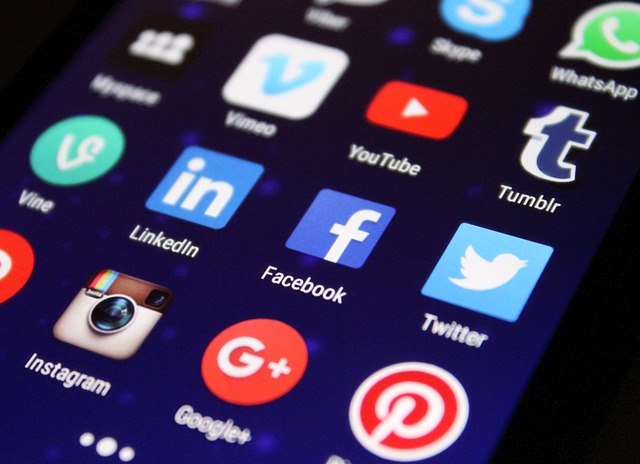
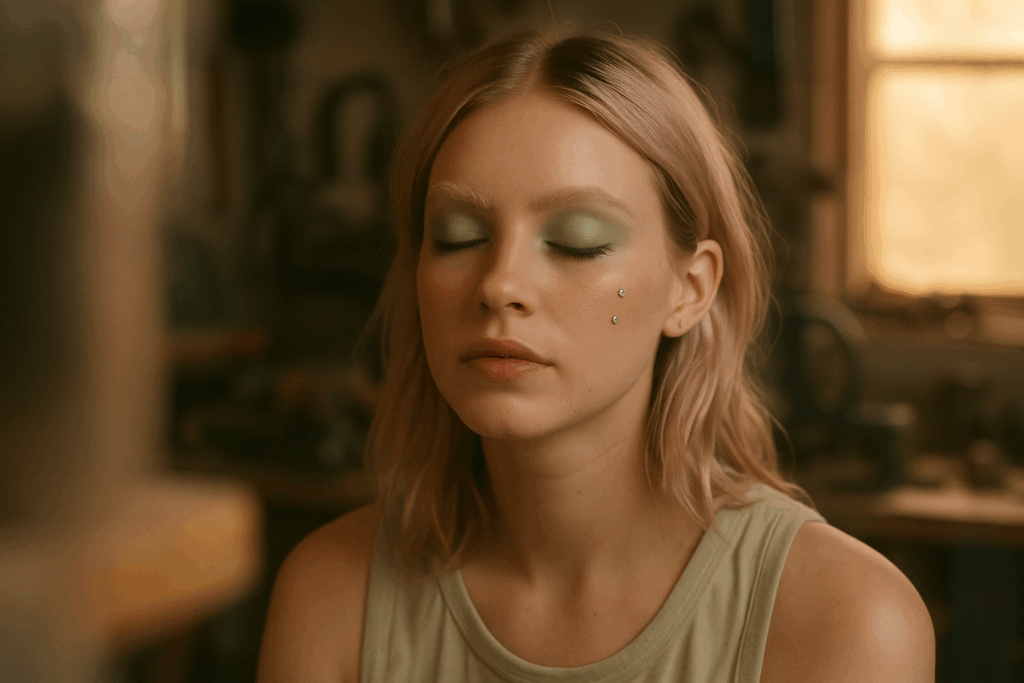
TikTok’s algorithm doesn’t care about credentials or connections. It amplifies what resonates in real time. If a post hooks users within seconds through an honest reaction, surprising result, or just the right hashtag it spreads. Fast. Trends like “cold girl” makeup or blush contour didn’t start in boardrooms; they started on the For You Page and exploded in hours.
Going viral has a new kind of power. It doesn’t just set trends it empties shelves. Skincare serums, drugstore finds, niche indie palettes: once they catch fire on TikTok, they sell out. Brands don’t lead, they follow. If creators speak and the crowd listens, a trend is born. And it’s gone just as fast if the next big thing hits tomorrow.
Speed and Influence: Short Videos, Big Impact
It takes less than a minute to start a beauty trend now. Scroll through TikTok and you’ll find creators redefining what beauty looks like not just with editorial polish, but with phone in hand immediacy. A swipe of lip stain, a swipe of influence. These short bursts of content think: GRWMs, 15 second hauls, or real time skincare routines change what products people buy, how they apply them, and what they expect from brands.
But it’s not just speed. These creators bring their audiences into bathrooms and bedrooms, not sound stages. That intimacy builds trust fast. And when something hits the right tone? It moves shelves. The e.l.f. Halo Glow Filter? Viral. Peter Thomas Roth’s eye tightener? Sold out for months. One clip, one creator, and suddenly a niche item becomes a must have.
The secret here is momentum. These videos don’t sell because they’re ads they sell because they feel unscripted, personal, and instantly replicable. It’s beauty tutorial meets peer recommendation, compressed into a minute and designed to be consumed (and acted on) right away.
Real People, Real Influence

Perfect lighting, soundtracks, and seamless transitions used to be the bar. Not anymore. What actually moves the needle today is a shaky handheld video of someone trying on a new lip tint in their car, no filter. Audiences aren’t just tolerating unpolished content they’re seeking it out. It feels more honest. Relatable. Real.
This is where micro influencers are winning. With tight knit followings and niche credibility, they’re shifting how products trend and sell. It’s less about massive reach, more about trusted voices talking directly to their communities. That kind of organic promotion isn’t easy to buy and when it works, it converts.
TikTok users believe these creators over traditional brand ads because their reactions feel uncoached. A two minute review from a creator who’s used the product for a week holds more weight than any polished ad spot. It’s not marketing it’s a recommendation from someone who feels like a friend. In the beauty space, that trust makes all the difference.
Communities Over Celebrities
TikTok hasn’t just shifted who we look to for beauty trends it’s shifted where we look. In 2024, the biggest drivers of innovation aren’t mainstream influencers or brand campaigns. They’re tight knit online communities built around specific needs, styles, and obsessions. Think barrier focused skincare junkies breaking down peptides, or natural hair groups swapping daily DIY curl routines. These aren’t just fans they’re testers, curators, and evangelists.
This is where real innovation is happening. Someone shares a technique, another tweaks it, and before you know it, there’s a microtrend moving across FYPs at lightning speed. These micro communities are nimble, informed, and highly engaged which makes them more powerful than celebrity endorsements ever were.
They also create something rare in digital beauty: loyalty. When a group rallies behind a product say, a moisturizer that actually works for eczema or a mask that revives bleached curls they stick with it. They push it. And they keep coming back, not just for the product, but for the connection it represents.
For brands watching this unfold, the signal is clear: broad isn’t better. Niche is the future.
Brands Playing Catch Up
Traditional marketing and product development cycles were built for a different era one with long lead times, big ad buys, and seasonal rollouts. That model doesn’t stand a chance against a TikTok fueled trend that goes viral in the morning and is over by dinner. When a concealer shade or a hair oil picks up traction, consumers want access now not six months from now when the next campaign is ready.
Smart beauty brands are ditching the old playbook. Instead, they’re listening in real time, using trend tracking tools and community feedback to pivot fast. The winners are those who treat their audiences not as targets, but as collaborators. When users comment on what they want or hack their own uses for a product brands are learning to respond quickly, sometimes even co creating the next launch.
It’s no longer about controlling the narrative. It’s about being fast, flexible, and genuinely plugged in. Beauty is being built in public now. And for the brands that get it, that’s not a threat it’s a serious advantage.
(Related read: Exploring the Impact of Social Media on Beauty Trends)
What This Means for the Beauty Industry
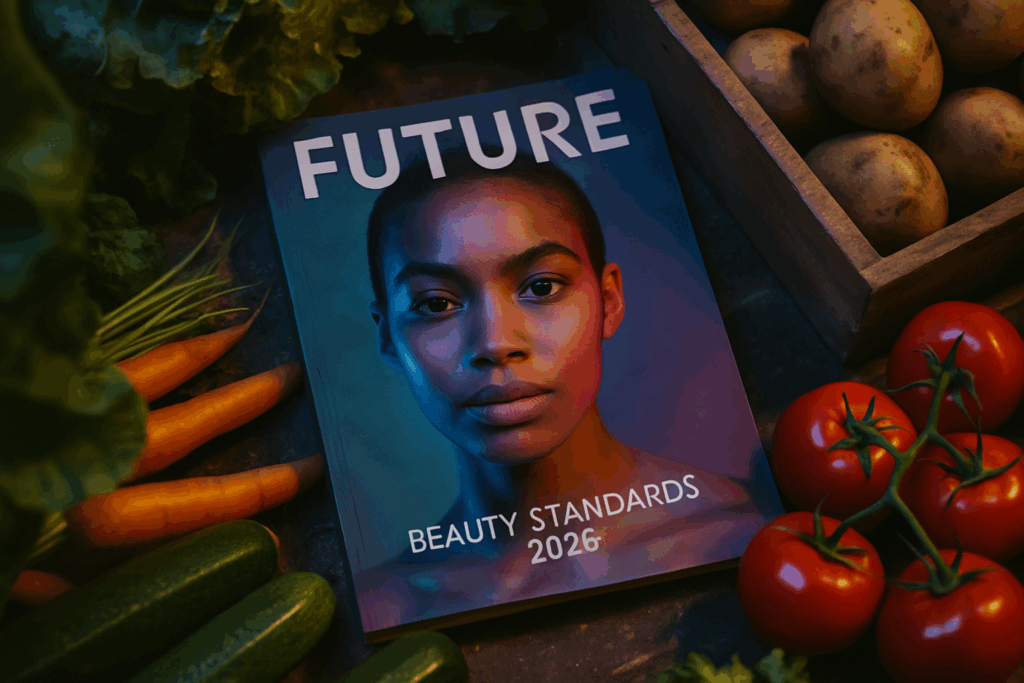
Trendsetting used to trickle down from fashion runways and magazine spreads. Now, it comes from college dorms, studio apartments, and back seats of Ubers. TikTok has flattened the playing field. A 19 year old with a phone and a fresh take can spark a national beauty craze overnight. That’s the new standard: decentralized, unpredictable, and wildly democratic.
As a result, product life cycles are getting leaner. A concealer gets hot, sells out, and fades sometimes all in the span of two weeks. Feedback loops come fast and unfiltered. Consumers don’t just review; they remix. They hack, dupe, and discard what doesn’t serve them. Brands that aren’t listening closely or moving quickly miss the window entirely.
Looking ahead, tech will dial this up even more. AI generated filters are already shaping beauty norms. Virtual try ons are helping users sample shades without touching a product. And with generative tools improving by the day, expect more creators building entire beauty campaigns from home, in hours, not weeks.
The future of beauty isn’t about keeping up it’s about staying plugged in. Explore more here.